Electrical work in a house usually starts with one of a few needs: something has stopped working, the panel has run out of room, a room needs better light, or a storm has taken the power out. Mogadore Electric’s services follow those needs, for homes in Akron and the towns around it.
In an Akron house built before 1960, one need often leads to another. A scorched outlet on a fuse-box circuit raises a question about the panel, and a kitchen renovation can touch the outlets, the lighting and the panel at once.
What Each Service Takes On
Repairs and Wiring
Dead outlets, breakers that trip, lights that flicker, switches that have burned, and wiring that is damaged or simply worn out. The fault is traced to its cause before anything is replaced, so the repair deals with the reason it failed.
Two-prong outlets: replaced with grounded or GFCI outlets where they are needed.
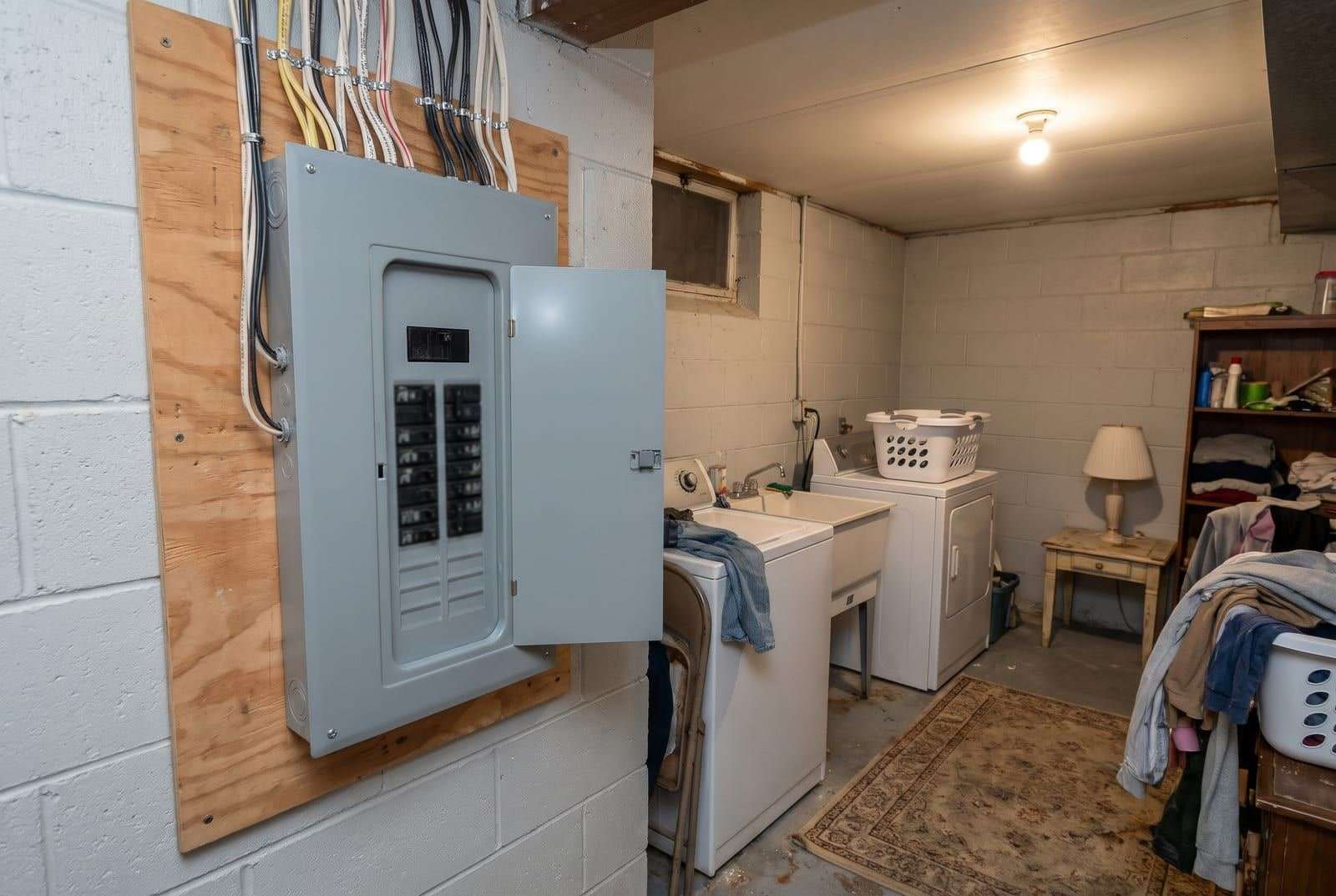
Fuse boxes and small panels replaced, and the electrical service upgraded when the house needs more capacity than it has. Every circuit in the new panel is labeled by the time the work is finished.
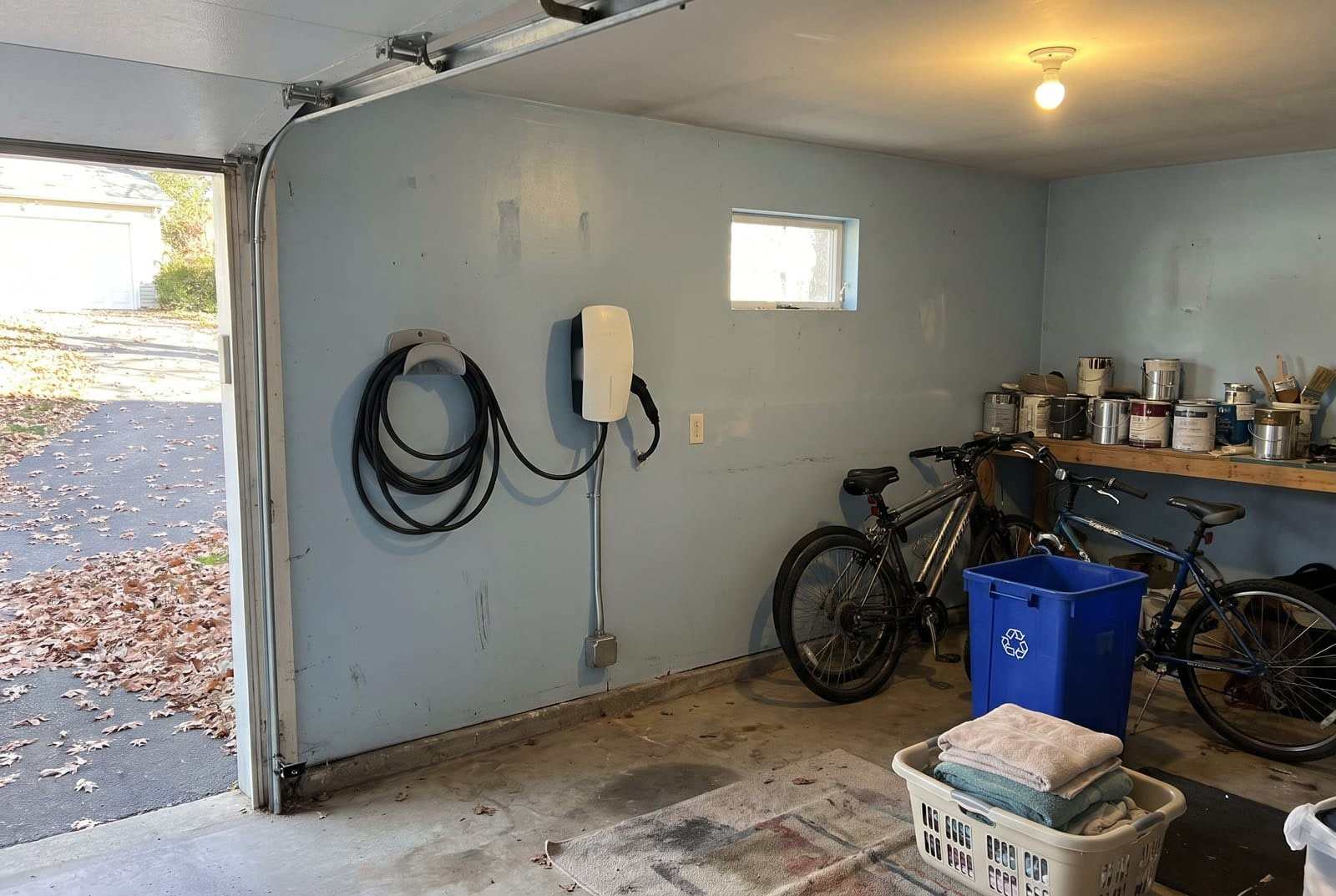
Room for more: capacity for central air, an electric range or an EV charger.
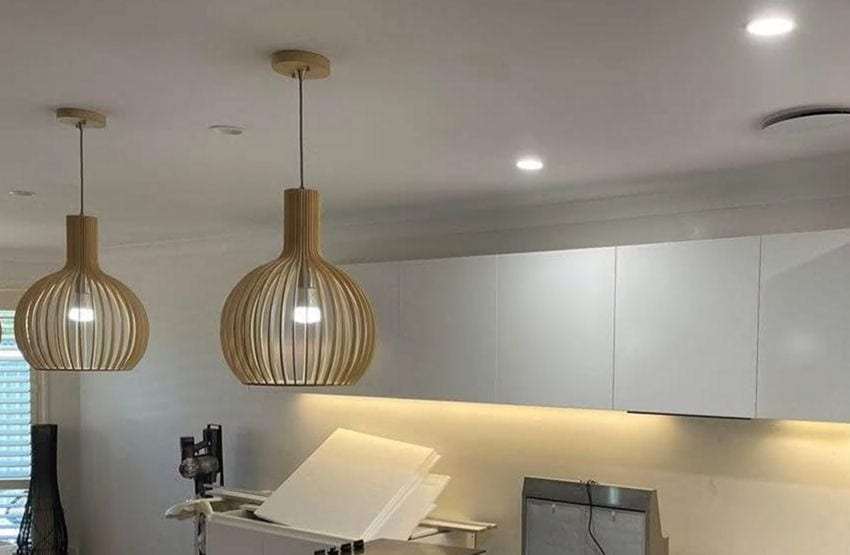
Recessed lights, pendants, chandeliers, ceiling fans and outdoor fixtures, in a new spot or in place of an old fixture. A row of recessed lights needs careful layout, so the openings line up and clear the joists.
Ceiling fans: hung from boxes made to carry a fan’s weight and motion.
Whole-home surge protection mounted at the panel, where it can divert most of a voltage spike before it spreads through the house. Generator hookups let a portable or standby generator run chosen circuits through an outage, without back-feeding the utility lines.
Storm season: a hookup is easier to plan in a calm month than during an outage.
A few jobs belong to more than one service. New circuits for a kitchen or a finished basement, and the circuit an EV charger needs, depend on space and capacity in the panel, so they are planned with the panel work even when the panel itself stays.
Smoke and carbon monoxide detectors are part of the installation work as well, whether that means a hardwired set for a renovated floor or alarms added where a house has gone without them.
Which Service Fits the Situation
Most problems point clearly to one service, though what turns up during testing has the final word.
Swipe left to see the rest of the table.
Situations and the service that usually fits them
Service
Typical situations
Where to read more
Repairs and Wiring
A dead outlet or switch, a breaker that trips, lights that flicker, a scorched cover plate, brittle or damaged wiring
A problem often shows up as a symptom rather than a service: half a room gone dark, a breaker that will not stay on, an outlet that works one day and not the next. When the symptom is a breaker that trips, the breaker troubleshooter separates an overload from a fault and marks the point where resetting should stop.
If the symptom still points nowhere in particular, describe it on the phone in plain words. Which service it belongs to is settled at the house, by testing, rather than guessed in advance.
Is a flickering light a repair, or a sign the house needs rewiring?
Usually a repair, at least to begin with. Flicker is a symptom, and tracing it most often ends at one loose connection, one worn switch or one dimmer that does not suit its bulbs, each fixed where it is. Flicker spread across several rooms still calls for a repair, only a more urgent one.
Rewiring becomes the question when the wiring itself is worn out: knob-and-tube, cloth-covered cable that cracks when it is moved, or faults that keep turning up in new places. Both ends of that range are part of the repair and rewiring work, and testing shows which end a house is at.
Can several jobs be combined into one visit?
Often, yes. A dead outlet, a new ceiling fan and a few two-prong outlets to replace may fit one trip, depending on what the testing turns up. Larger work fits together as well: a panel upgrade and new kitchen circuits depend on each other, and an opening made to run one cable can often carry a second.
Mention everything on your list when you call, the small items included, so the work can be planned as a whole rather than piece by piece.
What happens on the first visit?
The first visit is for finding out what is going on. The property is walked, the outlets and circuits involved are tested, and you hear what was found and what the repair will involve. It is a good moment to mention anything else you have noticed around the house, since two problems sometimes turn out to be one.
Wiring Checks Before a Sale or After a Renovation
Maintenance is the quieter side of the work: inspecting the panel, tightening connections that have worked loose over years of heating and cooling, and checking that the grounding is sound.
A look over a home’s wiring is worth having at two moments in particular. One is when an older house is about to change hands, so the buyer or the seller knows what the wiring will need. The other is after a renovation, at the places where new work meets old wiring, since that is where a hurried connection tends to hide.
Between visits, a homeowner can keep up a few seasonal checks through the year.
Help Choosing a Service
A problem that does not fit any one service is still worth a call, and a plain description of it is enough to begin.